Interior vs. Exterior Foundation Waterproofing: Which One You Need?
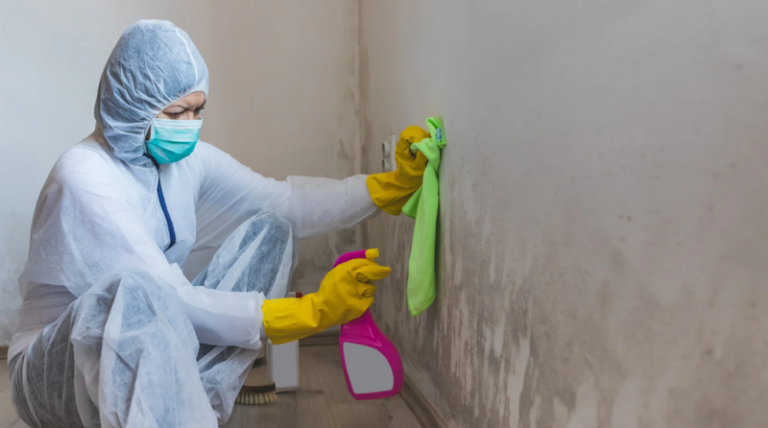
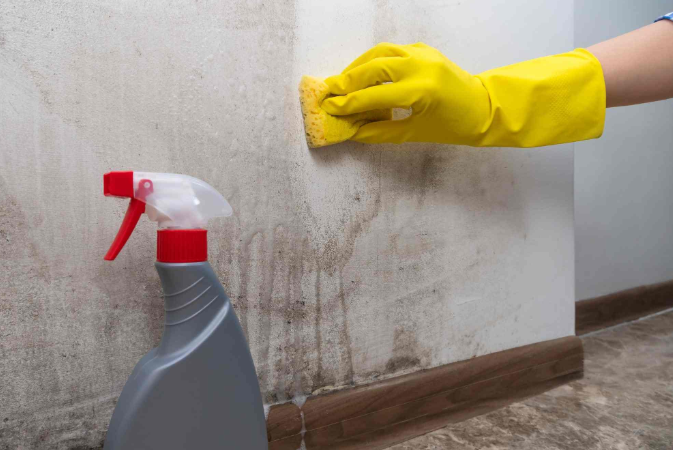
A heavy rainstorm should be a reason to cozy up indoors with a good book, not a cause for panic. Yet, for many homeowners, the sound of a downpour brings an immediate sense of dread. You find yourself pacing, listening for the telltale drip, and eventually making the dreaded trip downstairs to check for puddles. Water intrusion is a serious threat to your property’s structural integrity, your personal belongings, and even your family’s health due to mold growth.
Taking proactive steps by waterproofing your basement is the most effective way to protect your investment. By securing your foundation, you instantly transform a vulnerable, damp space into a dry, usable area of your home. You regain peace of mind, knowing that your property is safe regardless of the weather outside.
When you decide to tackle this project, you will quickly encounter two primary methods: interior and exterior waterproofing. Both approaches aim to keep your basement dry, but they operate on entirely different principles and require different levels of investment and labor. Understanding how each method works is crucial for making an informed decision that suits your specific property.
The Mechanics of Interior Waterproofing
Interior waterproofing focuses on water management. Rather than stopping water from touching the outside of your foundation walls, this method captures the moisture that has already breached the concrete and safely channels it away from your living space.
How the System Operates
The process typically involves installing an interior drainage system, often referred to as a French drain or drain tile, along the inside perimeter of your basement floor. Professionals create a trench in the concrete, lay down perforated pipes surrounded by washed gravel, and connect the system to a sump pump. When hydrostatic pressure forces water through the foundation, the drainage system collects it before it can flood your floor. The sump pump then actively discharges the water outside and away from the house.
Additionally, vapor barriers are often applied to the interior walls. These heavy-duty liners direct any wall seepage down into the newly installed floor drainage system, ensuring the visible basement environment remains completely dry.
Ideal Scenarios for Interior Solutions
This method is highly popular because it is generally more affordable and less disruptive to your property’s exterior. You will not have to worry about heavy machinery digging up your carefully manicured landscaping, removing decks, or tearing up driveways. If you are dealing with minor to moderate seepage, or if the exterior of your home is heavily hardscaped and inaccessible, an interior system offers an excellent, highly effective defense mechanism.
The Power of Exterior Waterproofing
Exterior waterproofing takes a preventative approach. The goal is to establish a robust barrier on the outside of your foundation, stopping groundwater from ever making contact with your concrete walls in the first place.
The Excavation and Barrier Process
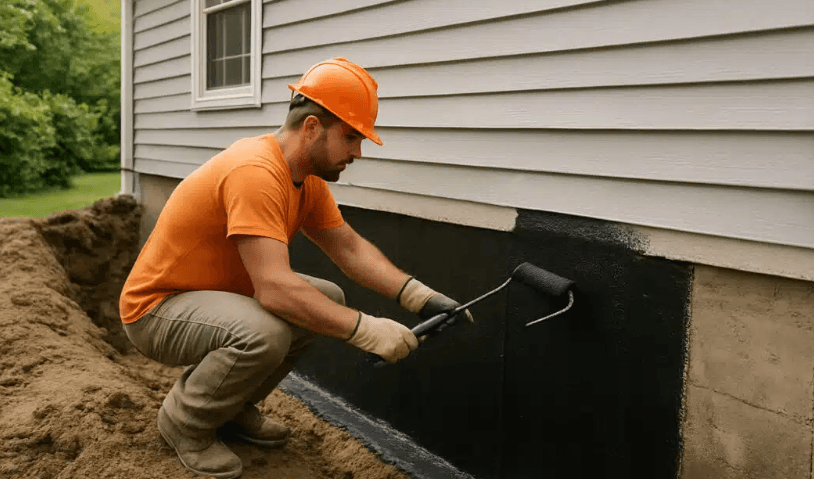
This method requires full excavation around the perimeter of your home, digging down all the way to the foundation footing. Once the exterior walls are exposed and thoroughly cleaned, professionals apply a thick, waterproof membrane or polymer coating directly to the concrete.
Alongside the barrier, a new exterior drainage pipe is installed at the footing level to collect and redirect groundwater. The excavated trench is then carefully backfilled with gravel to promote proper drainage, preventing water from pooling against the newly sealed walls.
Ideal Scenarios for Exterior Solutions
Exterior waterproofing is widely considered the gold standard for foundation protection. By addressing the root cause of the moisture before it breaches your walls, you preserve the structural integrity of the concrete itself. This method is highly recommended if your foundation walls show signs of significant deterioration, severe cracking, or bowing. While it involves a larger upfront investment and temporary disruption to your yard, the long-term protection it provides is unmatched.
See also: Window Shade Solutions for Modern Homes
Evaluating the Best Fit for Your Property
Choosing between interior and exterior waterproofing depends on several unique factors related to your home. You need to consider the severity of the water intrusion, your budget, the accessibility of your yard, and your long-term plans for the basement space.
If you plan to finish your basement and turn it into a high-value living area—like a home theater or a guest suite—you might want the absolute certainty that comes with an exterior moisture barrier. Conversely, if you are working with a tight budget and want a highly effective solution without destroying your surrounding patio, an interior drainage system is incredibly reliable.
Often, the most resilient homes utilize a combination of both methods. Managing the surface water outside with proper grading and downspout extensions, combined with a reliable interior sump pump system, creates a comprehensive shield against moisture.
Why Professional Installation Makes All the Difference
Waterproofing your basement is not a weekend DIY project. It requires heavy equipment, specialized knowledge of hydrodynamics, and precise installation techniques. A minor mistake in grading or membrane application can lead to catastrophic water damage down the line. That is exactly why hiring a qualified professional is so important.
A reputable waterproofing contractor will not push a one-size-fits-all solution. Instead, they will conduct a thorough assessment of your property to identify the exact source of your water issues before recommending an approach.
Whether your home requires a minimally invasive interior drainage system or a full-scale exterior excavation, the right team will have the heavy machinery, top-tier materials, and technical expertise to execute the job correctly. Transparent communication, clean job sites, and craftsmanship that stands up over time are all signs you are working with someone worth trusting.
Secure Your Foundation and Reclaim Your Space
Waterproofing your basement is one of the most impactful steps you can take to protect your home’s value and eliminate the stress of living with a damp, unpredictable lower level. A properly waterproofed foundation shields your property from moisture damage, structural deterioration, and the long-term financial consequences that come with ignoring water intrusion.
Stop letting the weather forecast dictate your peace of mind. Reach out to a qualified waterproofing specialist to schedule a comprehensive foundation evaluation. A dedicated professional will walk you through all your options, answer your questions, and design a customized solution that fits both your home and your budget.