Why Climate-Aware Window & Doors Planning Reduces Energy Usage
The indoor environment of a residence is often disrupted by outdoor temperature fluctuations when systems are not properly planned. Aligning modern aluminium designs with the local climate naturally achieves smooth regulation of heat buildup and enhanced airflow.
Internal conditions can be effectively managed by this smarter architectural approach through the window systems. This guide explores how climate-aware planning enhances energy efficiency and addresses the vital elements required for lasting comfort.
What is Climate-Aware Window & Door Planning?
Climate-aware planning examines exactly how your glass and frames react to their immediate environment, focusing on sunlight, wind, and the direction your home faces. It avoids relying on bolt-on features and instead uses a smart design that adapts to local weather. This ensures the interior stays naturally comfortable while gradually reducing the energy required to maintain it.
How Does Climate-Aware Planning Work Across Different Indian Conditions?
Informed designs respond to India’s varied climates by optimising for local factors like humidity, urban noise, and coastal winds. This regional alignment ensures that aluminium systems perform optimally across diverse geographic zones.
To handle India’s vast range of environmental conditions, a smart aluminium door & window design strategy focuses on regional precision. The internal atmosphere is stabilised by these targeted configurations:
- High-Heat Zones: Tinted or double-glazed glass is utilised by these systems to control direct sunlight and reduce heat build-up.
- Coastal Regions: Architectural solutions successfully maintain stability against high wind and water pressure through certified water tightness.
- Urban Spaces: High-quality gaskets effectively block dust and outdoor noise, ensuring cleaner, quieter environments.
- Humid Areas: Smooth-operating sliding systems prioritise natural airflow to support consistent ventilation.
Pro Tip: Even small gaps in window systems can affect indoor temperature over time, which is why sealing quality often matters more than expected and helps improve overall indoor conditions.
How Do Energy Efficient Windows & Doors Contribute to Lower Energy Usage?
The way each system is designed directly influences how efficiently a home performs over time. For achieving maximum energy efficiency in a premium home, the following aluminium glass window and doors are the most suitable based on their design and technical performance:
1. Casement (Openable) Systems:
- Sealing Superiority: Casement systems provide an elite level of insulation because the sash locks firmly against the frame. This mechanical action generates a continuous, compressed seal, ensuring the unit remains significantly more airtight than standard designs.
- Natural Cooling: These systems allow for maximum natural ventilation because they open fully outward like a door. This design efficiently dissipates internal heat during milder hours, helping maintain a fresh atmosphere without relying on artificial cooling.
2. Sliding Systems with Premium Sealing:
- High-Quality Gaskets: These systems use precision-engineered high quality gaskets and high-quality interlocks to minimise air leakage at the sash overlap.
- High in Strength: The use of aluminium enables slimmer frames that can accommodate larger insulated-glass panes, maximising natural light while maintaining structural integrity.
3. Fixed Window Systems:
- Zero Air Leakage: Fixed windows are suitable for zones that do not require ventilation. Because these units remain permanently closed, any risk of air infiltration or leakage is entirely eliminated.
- Daylighting: They are ideal for maximising natural daylight and reducing reliance on artificial lighting during the day, without compromising the home’s thermal envelope.
4. Fixed Louvres:
- Passive Ventilation: Fixed louvres optimally serve utility or service areas. Constant natural airflow provided by these systems is essential for regulating moisture and the indoor air in zones such as kitchens and laundry rooms. This effectively reduces the need for mechanical exhaust fans.
See also: How Homeowners Can Prepare for a Quick Property Sale
Key Efficiency Features To Combine with These Aluminium Frames:
To maximise the efficiency of the systems above, the following features should be integrated when it comes to aluminium window systems and doors:
- Double-Glazing: This is the most critical upgrade for energy efficiency. It creates an insulating air buffer that drastically reduces heat transfer.
- High-performance Certification: Look for systems with a high air sealing score, as this measure of air permeability is directly linked to how well a window keeps out external heat and pollution.
How Does Window Placement Influence Energy Usage?
The effective management of heat, light, and airflow is fundamentally driven by the planned placement of windows and doors within a home. Aligning openings with natural sunlight and wind patterns helps keep living spaces balanced, reducing reliance on artificial energy.
- Windows exposed to harsh afternoon sunlight increase heat build-up if not planned carefully.
- Openings placed to allow cross ventilation help improve airflow and reduce dependence on cooling systems.
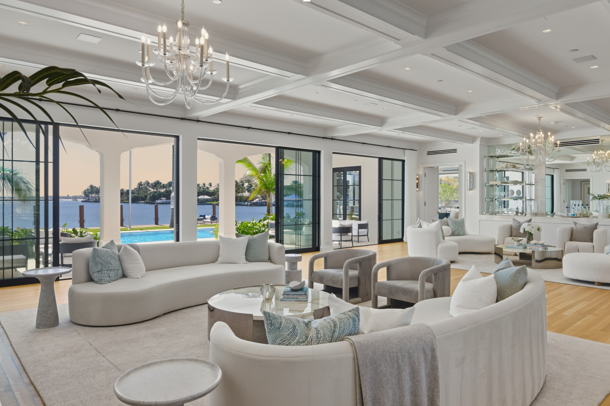
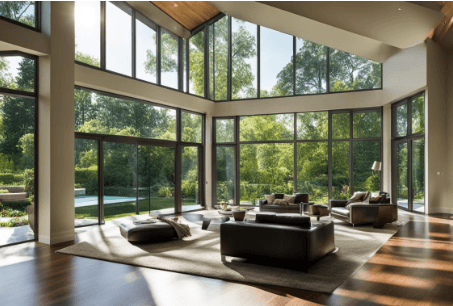
- The reliance on artificial lighting is significantly reduced in living rooms. This natural illumination improves the indoor environment while optimising energy usage.
- Bedrooms and other private spaces in the house tend to perform better with softer, indirect lighting.
To Summarise
When modern aluminium window design is aligned with environmental conditions, a more stable indoor environment is maintained without affecting the interior aesthetic. Premium windows by Eternia combine thoughtful design with reliable performance. Built with Duranium, which is 40% stronger than standard aluminium, they are suited for homes that prioritise efficiency and a well-finished living experience, especially when selecting an energy efficient window within a well-planned window door aluminium system.