The Ultimate Guide to Choosing Wicker Patio Furniture for Outdoor Living
Creating a comfortable outdoor living area starts with selecting furniture that combines style, durability, and everyday practicality. Patio Furniture Wicker has become a popular choice for homeowners who want to create attractive patios, balconies, gardens, and entertaining areas. Its woven texture brings warmth and character to outdoor spaces while offering a versatile foundation for different decorating styles.
When shopping for Patio Furniture Wicker, it is important to consider more than the appearance of the furniture. Material quality, frame construction, comfort, weather resistance, size, maintenance, and design can all affect your long-term satisfaction. Taking time to understand these factors can help you choose furniture that fits your outdoor space and continues to look attractive through regular use.
The versatility of Patio Furniture Wicker makes it suitable for many types of outdoor living arrangements. From compact balcony chairs to large sectional sofas, wicker furniture comes in a wide variety of shapes and sizes. Whether you want a peaceful place to relax or a spacious setting for entertaining guests, choosing the right pieces can transform your outdoor area into a comfortable extension of your home.
Understand the Different Types of Wicker
Before purchasing wicker furniture, it is helpful to understand that wicker describes a weaving technique rather than a single material. Outdoor furniture may be constructed from natural fibers or synthetic materials designed to imitate the appearance of traditional wicker.
Natural wicker offers an authentic and organic appearance, making it particularly appealing for covered or protected areas. Synthetic wicker, often made from resin-based materials, is frequently designed for outdoor environments and can provide improved resistance to moisture and sunlight.
Always check the product specifications to determine which material has been used and whether it is suitable for the location where you intend to place it.
Examine the Frame Construction
The frame underneath the wicker is essential to the furniture’s strength and stability. A high-quality woven exterior cannot make up for a weak frame.
Aluminum is commonly used for outdoor furniture because it is lightweight and generally resistant to rust. Steel can also provide substantial strength when it has an appropriate protective finish.
Inspect the legs, joints, and connection points before purchasing. Chairs and sofas should feel stable when you sit on them, while tables should remain steady when pressure is applied.
Measure Your Outdoor Space
Choosing furniture that fits your patio is just as important as selecting attractive designs. Measure the available area before buying anything.
Remember to leave enough space for walking around chairs and tables. People should be able to pull chairs away from a dining table without blocking pathways.
For small balconies and patios, compact chairs, bistro tables, and two-seat sofas may be ideal. Larger outdoor areas can accommodate sectional sofas, lounge chairs, dining tables, and additional side tables.
Prioritize Comfort
Comfort should be a major consideration when selecting outdoor furniture. If you plan to spend long periods relaxing or entertaining, supportive seating can make a significant difference.
Look at seat depth, back support, armrest height, and cushion thickness. Cushions should provide enough support without becoming uncomfortable after extended use.
If possible, test the furniture before purchasing it. When shopping online, carefully review the dimensions and customer feedback to get a better idea of the seating experience.
Choose Quality Outdoor Cushions
Cushions can add softness and style to wicker furniture. When selecting cushions, consider both comfort and outdoor performance.
Look for fabrics designed to handle sunlight and occasional moisture. UV-resistant materials can help reduce fading, while removable covers can make cleaning easier.
Consider the cushion filling as well. Foam can provide firm support, while fiber fillings may offer a softer feel. The best option depends on your personal preferences and how the furniture will be used.
Consider Weather Resistance
Outdoor furniture must handle changing environmental conditions. Sunlight, rain, humidity, wind, and temperature fluctuations can all affect furniture over time.
If your furniture will remain outside regularly, choose materials specifically designed for outdoor use. UV-resistant wicker can help minimize fading, while suitable frame materials can reduce concerns about rust or deterioration.
Even weather-resistant furniture benefits from protection. Furniture covers, shaded areas, and proper cushion storage can help extend the life of your investment.
Select a Style That Fits Your Home
Wicker furniture is available in many styles, allowing you to create an outdoor area that complements your home’s architecture and décor.
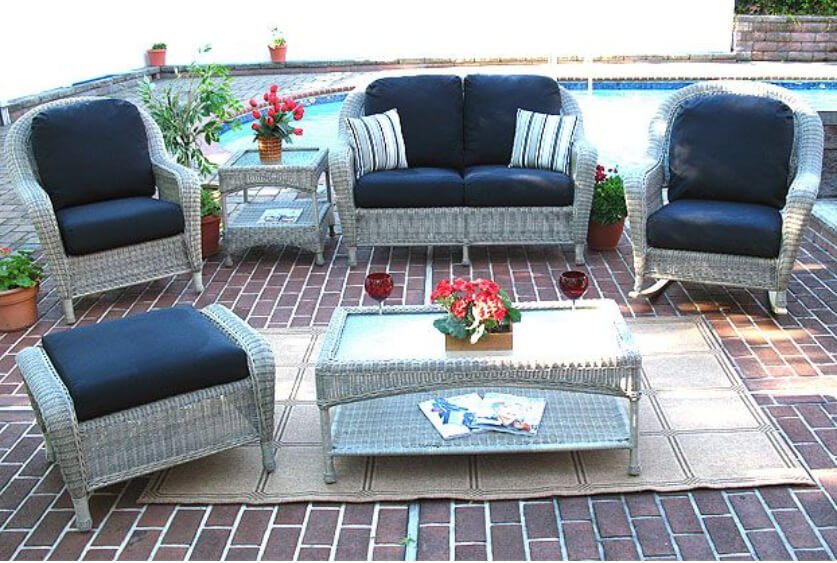
Neutral colors such as brown, beige, gray, white, and black can work with a variety of designs. You can add personality with colorful cushions, patterned pillows, outdoor rugs, and decorative accessories.
Modern spaces often work well with clean lines and simple silhouettes, while traditional gardens may benefit from curved furniture and natural tones.
Consider the Furniture Arrangement
Think about how you want people to use your outdoor space before choosing individual pieces. Furniture placement can influence how comfortable and functional the area feels.
For entertaining, arrange seating so that guests can easily communicate with one another. A central coffee table can provide a convenient surface for drinks and snacks.
For outdoor dining, make sure there is sufficient room around the table. For relaxation areas, consider positioning chairs and sofas toward attractive views, gardens, or outdoor features.
Think About Maintenance
Outdoor furniture requires regular cleaning to remain attractive. Dust, leaves, pollen, and dirt can accumulate on woven surfaces.
Synthetic wicker is often relatively easy to clean. Depending on the manufacturer’s recommendations, a soft brush, cloth, mild soap, and water may be enough for routine maintenance.
Clean spills promptly, especially on cushions. Always follow the manufacturer’s care instructions and avoid harsh chemicals that could damage the material or finish.
See Also: Legacy Meds Review 2026: Comparing Digital Healthcare and Weight-Loss Options
Plan for Storage
Storage can help protect furniture and accessories during severe weather or periods of non-use. Cushions are particularly important because prolonged exposure to rain can affect their condition.
A weather-resistant storage box can provide a convenient location for cushions and outdoor accessories. Lightweight furniture can also be moved into a covered area when necessary.
If storage space is limited, consider stackable chairs or modular furniture that can be rearranged and stored more easily.
Consider Your Lifestyle
Your furniture choices should reflect how you use your outdoor space. If you frequently entertain, prioritize seating capacity and comfortable arrangements. If you prefer quiet relaxation, focus on lounge chairs, deep seating, and supportive cushions.
Families may want durable, easy-to-clean materials, while people who regularly dine outside may prioritize tables with ample surface space.
Choosing furniture around your actual lifestyle can help prevent unnecessary purchases and create a more functional patio.
Compare Quality and Value
Price is important, but choosing the cheapest option may not provide the best long-term value. Lower-priced furniture may use weaker frames, less durable materials, or lower-quality cushions.
Compare construction, material quality, weather resistance, comfort, warranty coverage, and maintenance requirements. A well-made furniture set may cost more initially but provide better value if it remains attractive and functional for a longer period.
Add Accessories for a Finished Look
Accessories can complete your outdoor living area. Outdoor rugs can define seating zones, while cushions and pillows can add color and personality.
Plants, lanterns, side tables, and suitable outdoor lighting can also make the space more inviting. Choose accessories that complement rather than compete with your wicker furniture.
A coordinated combination of textures and colors can turn a basic patio into a comfortable outdoor retreat.
Conclusion
Choosing the right wicker patio furniture involves balancing appearance, comfort, durability, and practicality. Consider the material, frame construction, dimensions, cushions, weather resistance, maintenance requirements, and overall design before making your decision.
Quality Patio Furniture Wicker can transform an outdoor area into a comfortable extension of your home. By selecting pieces that suit your space, lifestyle, and climate, you can create an attractive outdoor environment that is ideal for relaxing, dining, entertaining, and enjoying everyday life.