Efficient Ways to Move Scrap Metal After Demolition
Handling scrap metal after a demolition project requires planning, coordination, and the right approach to ensure materials are cleared safely and efficiently. Many project managers and contractors look for professional support, such as scrap metal demolition in Woodstock, early in the process to streamline cleanup and manage large volumes of metal debris. The careful removal of metal items is essential not only for maintaining a clean worksite but also for preparing materials for transport and recycling. When scrap metal is organized and handled properly, it reduces waste, minimizes hazards, and helps recover valuable resources for reuse across many industries.
Understanding the Scrap Metal Removal Process
Before metal can be moved efficiently, it must be adequately identified and sorted. Demolition sites often contain a variety of metals, ranging from large steel beams to copper wires and aluminum components. Each type of metal requires a different method of processing to ensure it is handled safely and maintains its value.
learning more about the process and benefits of scrap metal demolition helps project planners understand how sorting, cutting, and transporting materials can significantly improve the overall workflow. With knowledgeable handling, scrap metal becomes easier to load, move, and deliver to recycling facilities without unnecessary delays or complications.
Equipment and Techniques That Improve Efficiency
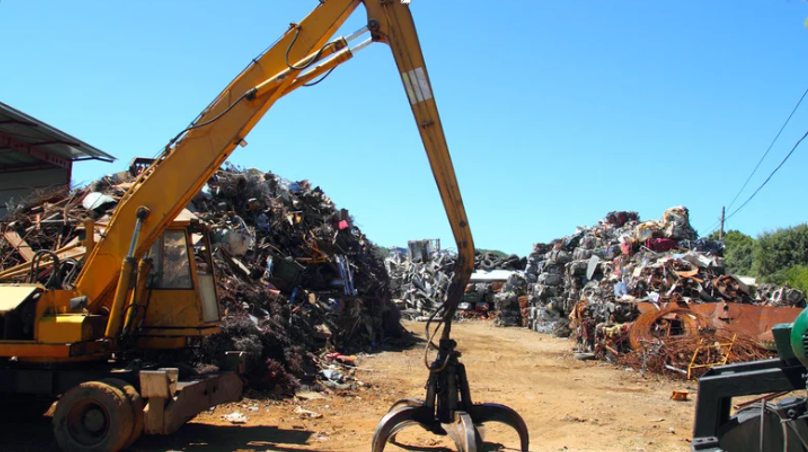
Using the right equipment is one of the most effective ways to speed up metal removal. Large pieces of debris can be lifted and carried using machinery such as excavators, grapples, and skid steers, all of which help reduce manual labor and improve safety. These machines are especially helpful when dealing with heavy or awkward materials that may pose risks if handled improperly.
Smaller pieces of metal are usually collected in bins or containers that are strategically placed around the demolition site. This keeps materials organized and allows for smooth loading when it is time to transport them. Roll-off trucks and flatbed trailers are commonly used to move scrap metal to its next destination, ensuring that everything is secured and transported without damage.
Sorting and Preparing Metal for Transport
Sorting plays a major role in improving the efficiency of moving scrap metal. By separating materials based on type, weight, and condition, workers can streamline the recycling process long before the metal reaches a processing facility. Proper sorting also helps maximize the value of the recovered metal because clean, uncontaminated materials are easier to refine.
Once sorted, the metal is often cut into smaller or more manageable pieces. This step helps ensure that containers are filled properly and that the weight is balanced during transport. Preparing materials in this way reduces the number of trips needed to remove debris from the site, saving both time and fuel.
See also: How Advanced Analytics Is Transforming Business Strategy
The Importance of Professional Coordination
While the removal of scrap metal may seem straightforward, large demolition projects benefit greatly from professional oversight. Skilled metal recyclers understand the safest and most efficient ways to move different types of metals while ensuring compliance with environmental and safety regulations. Their expertise helps prevent delays and ensures that materials are routed correctly for recycling rather than being discarded unnecessarily.
Professional coordination also supports sustainability efforts by ensuring that metals are processed in facilities equipped to refine and repurpose them. This approach benefits the environment, reduces landfill waste, and supports industries that rely on recycled materials.
Conclusion
Efficiently moving scrap metal after demolition requires a combination of proper sorting, specialized equipment, and experienced guidance. When materials are handled with care and transported responsibly, the result is a cleaner worksite, a smoother demolition process, and greater sustainability through responsible metal recovery. Working with professionals ensures that every stage of the removal process is completed safely and efficiently.