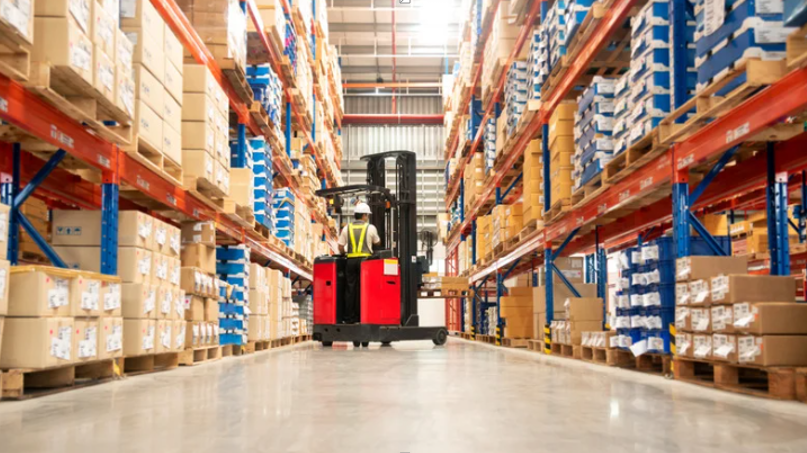
The Importance of Safety Protocols in Warehousing Facilities
A warehouse contains heavy equipment, high storage racks, and constant movement of goods, making proper safety procedures essential. Safety is a critical component of every warehousing facility because it directly affects employee well-being, operational efficiency, and long-term productivity. Establishing and following strict protocols reduces the risk of accidents, prevents product damage, and promotes a structured workflow. With expert oversight and comprehensive planning, warehouses can maintain a safe environment that supports both employees and business operations. Understanding the importance of warehouse safety enables managers to implement strategies that foster reliability and operational excellence.
Preventing Workplace Injuries
Warehouses involve activities such as lifting, loading, stocking, and equipment operation, which naturally carry risk. Implementing clear safety guidelines helps reduce the chance of injury.
Professionals train employees on equipment usage, hazard recognition, and proper lifting techniques, ensuring safer daily operations.
Building a Culture of Safety
When staff members understand protocols and feel confident using equipment, the entire facility becomes more secure and productive.
Maintaining Equipment Safety and Inspections
Regular equipment inspections are essential for preventing breakdowns and ensuring safe operation. Forklifts, pallet jacks, conveyors, and racking systems must all be routinely evaluated. Certified technicians identify wear, make repairs, and ensure each machine meets safety standards.
Reducing Unexpected Downtime
Proactive equipment maintenance prevents accidents and keeps workflows moving smoothly.
Ensuring Safe Storage and Inventory Management
Proper storage techniques help prevent items from falling, collapsing, or becoming damaged. Weight distribution, rack stability, and stacking practices all influence warehouse safety.
Facility managers monitor inventory placement and ensure all products are stored according to recommended guidelines.
Protecting Products and People
Safe storage methods minimize injuries and protect valuable inventory from harmful damage.
Emergency Procedures and Employee Preparedness
Every warehousing facility must have clear procedures for emergencies such as fires, spills, or equipment failures. Professional safety teams develop and implement training programs that outline evacuation routes, communication protocols, and emergency response actions.
Increasing Confidence and Readiness
Well-trained employees respond quickly and correctly during emergencies, reducing the severity of potential incidents.
See also: How Advanced Analytics Is Transforming Business Strategy
Understanding Warehouse Types and Safety Requirements
Different warehouse models have unique safety needs based on their layout, storage methods, and material handling processes. Exploring types of warehouses and how to choose the right one helps highlight how structural design and operational purpose influence safety protocols.
This understanding guides managers in tailoring safety procedures to their specific warehousing environment.
Adapting Protocols to Facility Structure
A well-matched safety plan accounts for the warehouse type, product volume, and equipment demands, ensuring consistent protection for all occupants.
Conclusion
Safety protocols are fundamental to the success of any warehousing operation. By prioritizing employee training, equipment inspections, proper storage, and emergency preparedness, businesses can maintain a productive and secure workplace. When protocols are tailored to the type of warehouse and its specific operational needs, they create an environment where efficiency and well-being coexist. With the right safety measures in place, a warehousing facility can support long-term growth, reliability, and operational excellence.