Innovative Trends in Commercial Design-Build Projects
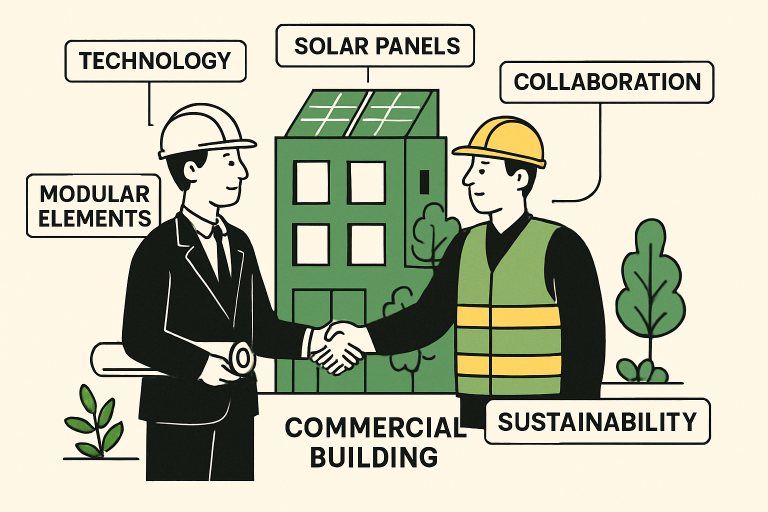
The commercial construction industry is constantly evolving as new methods, materials, and technologies emerge. Today’s stakeholders are placing a premium on versatility, sustainability, and well-being, making it essential for everyone involved in development to stay up to date on the latest innovations. The design build contractors model stands out in this climate as a highly effective, collaborative project delivery method that unites designers and builders under a single contract. This unified process can lead to faster timelines, fewer conflicts, and more creative solutions for commercial spaces.
The growing emphasis on resource conservation and operational efficiency has motivated contractors and architects to explore greener and smarter solutions. As competition intensifies in commercial real estate, businesses recognize that integrating fresh ideas, adaptive layouts, and smart safety strategies could mean the difference between a thriving, future-proof investment and an obsolete property.
Sustainable Practices and Green Building Materials
Commercial construction is increasingly focused on sustainability, meaning not only the use of recycled or renewable materials but also a holistic approach to environmental stewardship. Green building certifications, such as LEED and WELL, are no longer niche credentials. They are now standard expectations for high-value tenants and corporate clients. Projects are adopting low-embodied-carbon products such as bamboo, recycled steel, and reclaimed timber. At the same time, insulation improvements, low-VOC paints, and high-performance glass reduce both a building owner’s carbon footprint and utility costs. Natural daylighting, indoor plantings, and energy-efficient HVAC systems not only benefit the environment but also improve long-term occupant comfort and productivity. These approaches reflect a growing demand for healthier, more energy-efficient environments across the commercial landscape.
Concerns about climate change and resource scarcity are driving many companies to exceed government mandates and adopt zero-waste, net-zero energy strategies. Rooftop solar arrays, rainwater harvesting, and other renewable technologies are now viable options for many sites, further distinguishing these properties from competitors. Owners who prioritize sustainable design and materials not only align with evolving regulations but also appeal to environmentally conscious investors and tenants.
Technological Advancements in Design-Build Projects
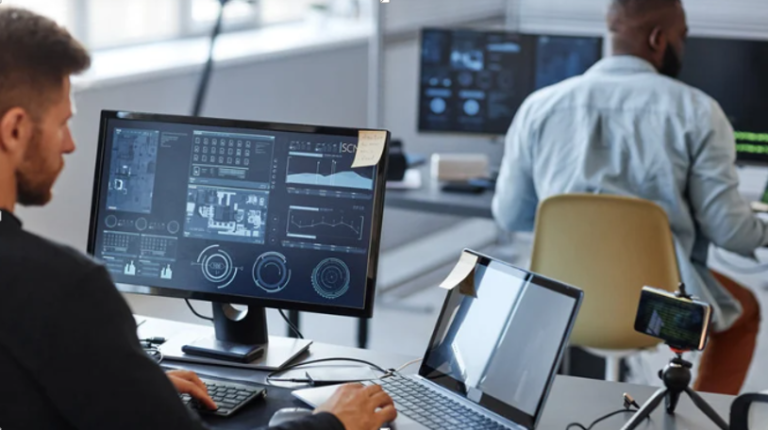
The digital transformation of commercial design-build projects is evident in the tools and techniques shaping every stage of development. Artificial Intelligence (AI), automation, and data-driven process management enable project teams to work more efficiently than ever before. For example, AI-driven software can identify risks, optimize schedules, and reduce the likelihood of errors by analyzing project data in real time. This leads to notable labor, material, and time savings that benefit both owners and contractors.
Building Information Modeling (BIM) stands at the center of this technological shift. BIM enables multidisciplinary teams to share and visualize complex building data throughout the project lifecycle. Every stakeholder, from architects to subcontractors, can contribute to and extract information from the same model, significantly reducing misunderstandings and change orders. The result is a streamlined, transparent process that improves outcomes and builds trust among parties. These tools are giving commercial construction firms a vital edge as competition intensifies and projects grow in complexity.
See also: Exploring the Tech Behind Self-Driving Cars
Adaptive Reuse and Flexible Design
Adaptive reuse has surged in popularity, as it offers a sustainable way to breathe new life into old structures while preserving local history and character. Instead of starting from scratch, developers are finding creative ways to convert outdated warehouses, factories, or office buildings into vibrant mixed-use spaces, modern workplaces, or specialty venues. This approach reduces demolition waste and capitalizes on existing infrastructure, making it both eco-friendly and cost-effective.
Beyond refurbishing the past, flexible interior layouts and modular construction elements are enabling property owners to anticipate and respond swiftly to future needs. Movable walls, convertible communal spaces, and adaptable utility infrastructure allow businesses to upgrade or reconfigure facilities with minimal disruption. These versatile environments attract tenants seeking resilient, future-ready workplaces where teams and technology can flourish no matter how their operations evolve.
Health and Safety Innovations
The global pandemic was a turning point for health and safety measures in commercial architecture. Air quality, touchless controls, and adaptable space planning have fast become standard expectations for new developments and renovations. Upgraded HVAC filtration, ultraviolet germicidal irradiation, and sensor-based systems that automatically adjust airflow and monitor occupancy levels deliver both safety and peace of mind to building users.
Designers are also reimagining entryways, washrooms, and common areas to reduce the potential for disease transmission. Touch-free elevators, sinks, and access controls minimize the contact required in high-traffic areas. Socially distanced layouts and easy-to-clean surfaces further ensure that facilities can accommodate evolving public health guidelines without sacrificing user experience or productivity. These improvements have made health-forward design a cornerstone of value and desirability in commercial real estate.
Conclusion
The evolution of commercial design-build projects is marked by a strong commitment to sustainability, technological progress, adaptive reuse, and heightened health awareness. Embracing these innovative trends enables developers, contractors, and property owners to deliver buildings that are efficient, adaptable, and future-ready. By integrating smart materials, cutting-edge technology, and a focus on occupant well-being, industry professionals position their projects as leaders in a rapidly changing marketplace while aligning with today’s tenants’ and end users’ priorities.