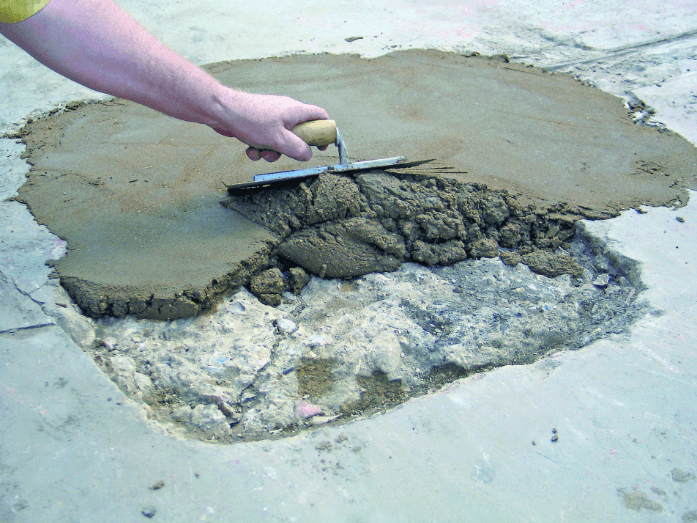
The Most Common Reasons Concrete Fails Early
Concrete is widely celebrated as one of the most durable and reliable building materials on the planet. When installed correctly, a standard driveway, patio, or foundation can last for decades with minimal maintenance. Yet, many property owners are frustrated to find deep cracks, surface flaking, or significant settling just a few years—or sometimes even months—after the initial installation.
Understanding why these premature issues happen is the first step in avoiding a frustrating and expensive repair bill. Who you hire to pour it will ultimately determine how well your new driveway or patio holds up against harsh weather, heavy vehicle loads, and the natural passage of time. Taking a moment to understand the construction process is one of the best investments you can make.
The reality is that pouring a slab is a highly sensitive chemical and physical process. It requires exact timing, precise measurements, and a deep understanding of environmental factors. When any of these elements are ignored, the structural integrity of the material is severely compromised.
By familiarizing yourself with the common pitfalls of construction, you can ask the right questions and ensure your next project is built to last. Let us explore the primary culprits behind premature structural deterioration.
Poor Subgrade Preparation
The longevity of any structure relies entirely on the ground beneath it. If the subgrade—the native soil or base material directly beneath the slab—is not properly prepared, the surface above has no chance of surviving.
The Importance of a Solid Foundation
Before a single drop of the mixture is poured, the ground must be excavated, leveled, and compacted. If the soil is loose, it will eventually settle under the massive weight of the slab. This uneven settling creates hollow voids beneath the surface. Without the necessary support from below, the heavy material bends and snaps under its own weight, leading to massive structural cracking. A reliable contractor will always take the time to tamp the soil and add a layer of crushed stone or gravel to ensure proper drainage and a stable base.
Incorrect Water-to-Cement Ratio
Mixing the materials is a delicate balancing act. The combination of water, cement, sand, and gravel must be measured with absolute precision. One of the most frequent causes of early failure is adding too much water to the mix.
The Danger of a Soupy Mix
Workers sometimes add extra water on the job site because a wetter mix is much easier to spread and level. While this might save the crew some physical labor, it drastically reduces the final strength of the slab. As the excess water eventually evaporates, it leaves behind microscopic empty spaces within the structure. This leads to a weak, porous surface that is highly susceptible to shrinking, cracking, and crumbling. A proper mix should be thick and slightly difficult to move, ensuring maximum density and strength once it hardens.
Lack of Proper Curing
Many people assume that once the surface is hard to the touch, the job is completely finished. In reality, the material does not simply “dry.” It undergoes a complex chemical reaction called hydration, which requires sustained moisture over several days or weeks to reach its peak strength.
Rushing the Chemical Process
If the moisture evaporates too quickly from the surface, the hydration process stops prematurely. This results in a weak top layer that will easily flake, scale, or dust under normal wear and tear. To prevent this, the surface must be cured properly. This can be achieved by applying a liquid curing compound, covering the slab with wet burlap, or continuously misting it with water for several days. Skipping this vital step is a guaranteed way to shorten the lifespan of your project.
See also: How Intelligent Search Enhances Business Efficiency?
Inadequate Reinforcement
While this heavy material boasts incredible compressive strength—meaning it can support a massive amount of downward weight—it has very low tensile strength. This means it cannot stretch or bend without snapping.
Missing Rebar or Wire Mesh
To compensate for this lack of flexibility, steel reinforcement must be embedded within the slab. Depending on the size of the project and the expected weight load, contractors should use steel rebar or heavy-duty wire mesh. This internal skeleton holds everything together, especially when the ground shifts slightly due to temperature changes or moisture. If a contractor skips the steel reinforcement to save money, the slab will inevitably pull apart the moment the ground beneath it moves.
Extreme Weather Conditions During Installation
The environment plays a massive role in the success of a pour. The chemical reaction that hardens the mixture is highly sensitive to extreme temperatures.
Battling the Elements
If a project is completed on a scorching hot summer day, the water inside the mix can evaporate before the chemical reaction is complete, leading to immediate shrinkage cracks. Conversely, if it is poured during freezing temperatures, the water inside the mixture can turn into ice crystals. These expanding ice crystals destroy the internal structure before it even has a chance to harden. Experienced teams monitor the weather closely and use specialized additives or thermal blankets to control the temperature of the slab during extreme conditions.
Protecting Your Concrete Investment
A beautifully finished driveway, walkway, or patio should enhance the value and functionality of your property for decades. When corners are cut during the subgrade preparation, mixing, pouring, or curing stages, you end up paying the price down the road.
By understanding the most common reasons concrete fails early, you can have informed conversations with your contractors and ensure the proper procedures are followed from day one. Precision, patience, and high-quality materials are the only ways to guarantee a project stands the test of time. Taking the time to do the job right the first time is the only true way to protect your investment and enjoy a flawless surface for years to come.