THow Solar Energy Is Revolutionizing Modern Living
Solar energy is no longer just an alternative power source for the eco-conscious; it has become an essential element in transforming how we power our homes, businesses, and communities. As more households and urban centers choose sustainable solutions, homeowners are increasingly seeking a solar panel installation contractor to retrofit existing properties or design new, energy-smart buildings. Solar technology now touches every facet of daily life, from home comfort and efficiency to broader societal trends in energy production and environmental stewardship.
Integration among solar panels, smart home systems, and urban planning is fundamentally changing how we produce and consume energy. These innovations are not just about reducing utility bills. They also place individuals and communities at the forefront of environmental responsibility, with choices that reduce carbon emissions and create long-term value. As a result, the move toward solar power is rapidly becoming a centerpiece of the modern lifestyle, ushering in scalable opportunities for technology-driven growth and sustainability.
Smart Homes Powered by the Sun
Today’s residential spaces are increasingly defined by the fusion of clean energy and digital technology. Modern homes equipped with solar panels not only harness abundant sunlight but also use advanced energy management systems to optimize energy usage. Smart devices and AI-driven software can predict household energy demand, factor in weather forecasts, and automate appliances to maximize efficiency. This real-time management means families can lower their electric bills while reducing their carbon footprints. According to The New York Times, integrating smart home technology with solar power is making self-sufficient, net-zero homes more attainable.
Agrivoltaics: Merging Farming and Solar Energy
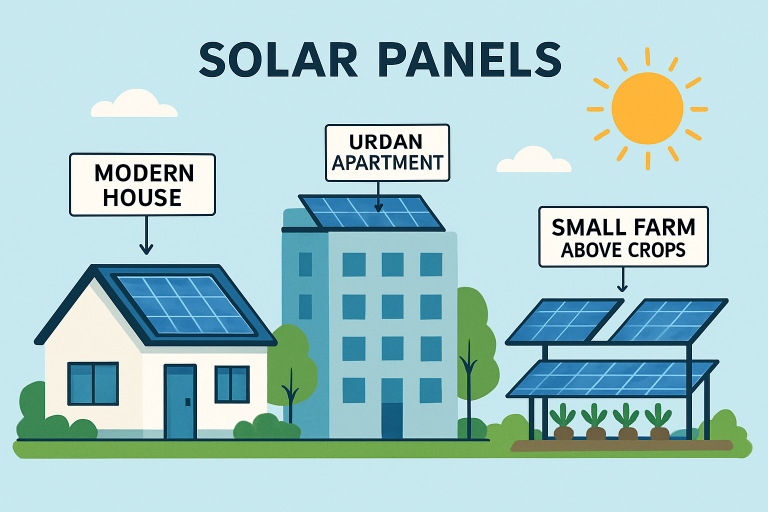
Agrivoltaics is transforming rural economies by combining energy and food production on the same land. In this system, solar arrays are strategically installed above crops, creating a microclimate that can protect plants from excessive heat and retain soil moisture. The dual use of agricultural land addresses the growing demand for clean power without sacrificing food yield. As of 2025, the United States has more than 500 agrivoltaic projects, showing not only significant energy output but also enhanced agricultural productivity. Studies from National Geographic highlight that crops benefit from reduced water evaporation and moderate temperatures, while farmers generate additional revenue from electricity production.
Community Solar Projects Enhancing Accessibility
Not every household can install solar panels due to limitations such as roof structure, cost, or shading. Community solar projects bridge this gap by allowing individuals to subscribe to a shared solar installation. Members of these communities receive credits on their electric bills, proportional to their share of the solar energy generated. This model has grown rapidly, with supportive legislation in 24 states and Washington D.C., expanding access to renewable power for renters, low- and moderate-income families, and urban residents. Community solar is democratizing clean energy and building local resilience by reducing collective dependence on fossil fuels.
See also: Why Preschools That Embrace Digital Systems Earn Higher Parent Trust
Advancements in Solar Technology
Solar panels continue to set new records in efficiency, reliability, and affordability thanks to cutting-edge research. Materials like perovskite are revolutionizing the industry by enabling greater sunlight absorption at a lower production cost than traditional silicon. Additionally, breakthroughs in battery technology are solving one of solar power’s long-standing challenges: energy storage. Improved batteries mean solar energy can power homes and businesses even when the sun is not shining, further reducing reliance on centralized power grids.
Solar Energy in Urban Planning
Cities across the world are incorporating solar solutions at scale, from building-integrated photovoltaics (BIPV) that blend seamlessly into street architecture to solar-powered transportation hubs. BIPV technology incorporates panels directly into rooftops, facades, and even windows, allowing buildings to generate clean power while maintaining aesthetic appeal. Initiatives like solar street lighting and solar-powered bus shelters not only save energy but also enhance public safety and reduce the urban heat island effect. Urban solar strategies are shaping greener, more resilient cities for future generations.
Economic Impact of Solar Adoption
The job market for solar installation, maintenance, and manufacturing is surging. States like Illinois have seen solar sector growth of more than 250 percent since 2019, leading to thousands of new jobs and significant investments in local economies. The transition to solar is helping to shift the broader energy job market away from fossil fuels toward clean energy careers. This shift has broad economic benefits, from boosting small businesses to reducing public health costs associated with air pollution.
Solar-Powered Transportation
The global transportation sector is undergoing a quiet solar revolution. Solar-powered electric vehicle (EV) charging stations are cropping up in public and private spaces, making clean driving more practical. Some automakers are even launching vehicles equipped with solar panels, extending driving ranges, and reducing the frequency of plugging in to recharge. These advancements promise cleaner air in cities and accelerate the shift away from fossil fuel dependence.
Future Prospects of Solar Energy
The future for solar energy looks brighter each year as costs decrease and efficiency surges. Innovations ranging from transparent photovoltaic windows to high-capacity batteries are set to make solar an integral part of every major sector. The next decade could see solar technology embedded not only in new homes and urban infrastructure but also in everyday consumer products, utility-scale power plants, and innovative agricultural projects. Policy support, ongoing investment, and community-led initiatives will all contribute to shaping a future where solar power is not just a supplement but a primary source of global energy.
Final Thoughts
In summary, solar energy is leading a revolution that touches all aspects of modern life. Its integration into smart home technology, agriculture, transportation, and urban planning underpins the movement toward sustainable living and economic growth. As adoption accelerates, solar power will remain at the core of building a cleaner, healthier, and more resilient world.