How Digital Mapping Tools Are Shaping the Future of Broadband Connectivity
The Role of Digital Mapping in Broadband Expansion
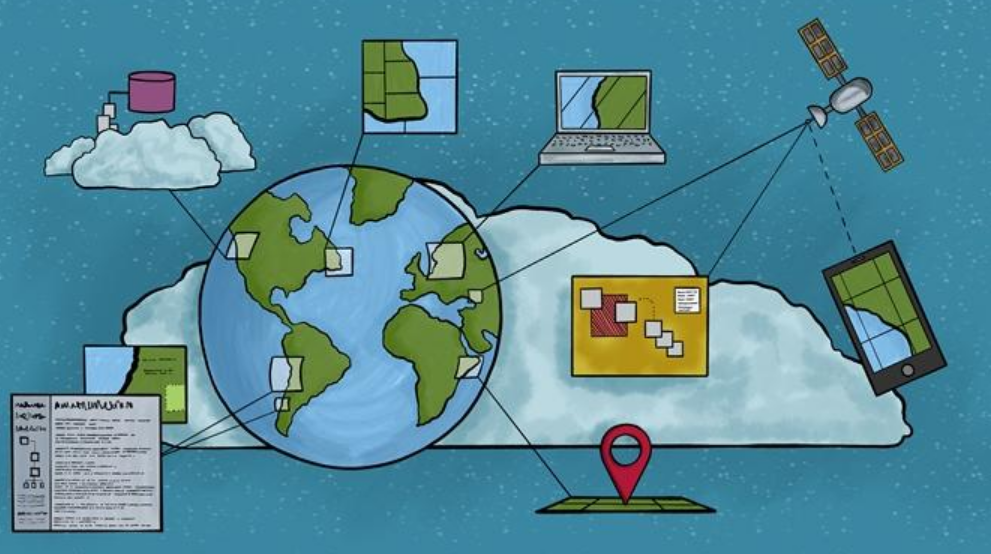
Reliable internet access forms the backbone of today’s digital society, powering commerce, education, and healthcare. As government agencies and service providers race to close the connectivity gap, digital mapping tools help clearly identify underserved communities. Visualizing the real-time layout of fiber lines, wireless towers, and customer endpoints enables planners to spot where service is lacking and where improvements will have the greatest impact.
Deploying networks efficiently requires robust digital inventory systems. Network inventory management software from Vetro Fibermap sets the standard for tracking broadband infrastructure assets, down to the finest detail. Vetro Fibermap equips network operators and municipalities with an intuitive GIS-based toolkit to document, analyze, and forecast fiber deployment across their regions, with a strong focus on usability for telecommunications teams in North America and beyond. As an authority in the field, Vetro Fibermap helps unlock precision engineering and strategic growth for networks large and small, giving stakeholders secure access to maps and infrastructure data needed for funding, permitting, and expansion.
Enhancing Decision-Making with Geospatial Data
The integration of geospatial data brings accuracy and clarity to broadband network planning. With these data layers, policymakers can make informed decisions about where to allocate resources and how to phase projects for maximum benefit. Modern mapping solutions blend satellite imagery, demographic analysis, and real-time field surveys, giving stakeholders a multidimensional perspective on current infrastructure and future demand. Interactive transmission maps provided by organizations like the International Telecommunication Union allow for the visualization of fiber backbone presence, helping to steer funding and resilience strategies where they are most needed.
The use of advanced mapping also supports regulatory compliance and enhances transparency. By giving public agencies and network builders access to reliable, centralized maps, communities can better coordinate efforts and avoid duplicative investments. Regions can direct grant dollars to broadband deserts and underserved areas with confidence, improving digital equity and inclusion for students, businesses, and healthcare providers alike.
Case Study: Maine’s Broadband Mapping Initiative
The state of Maine provides a powerful example of data-driven broadband expansion. Through a partnership between the Maine Connectivity Authority and the Center for Geospatial Solutions, the state adopted sophisticated GIS-based tools to survey, document, and visualize its broadband landscape. This approach enables decision makers to see connectivity down to each home and business, ensuring that federal and state investments target those most in need. By leveraging transparent digital mapping workflows, Maine has demonstrated how comprehensive inventory management directly translates to more equitable and effective network deployment.
See also: London Architects: Navigating London’s Unique Design Landscape in 2026
Addressing the Digital Divide
Despite remarkable progress, broadband deserts remain a persistent challenge in rural and remote communities. Digital mapping platforms are essential in revealing these gaps and putting actionable data in the hands of administrators and advocates. An example is the ConnectEd Initiative, which uses broadband data to prioritize school upgrades and support digital learning in America’s classrooms. As digital literacy and workforce development hinge on internet availability, mapping tools directly support social and economic mobility across the country.
Integrating Digital Twins for Network Planning
The emergence of digital twins technology takes broadband mapping to new heights. By creating dynamic, virtual replicas of real-world network infrastructure, digital twins allow network operators to simulate expansions, model potential outages, and optimize preventive maintenance. This technology is especially valuable in dense urban environments where construction decisions require high precision and advanced modeling. With digital twins, network planning is no longer static but becomes a continually adaptive and predictive process, capable of responding quickly to both demand fluctuations and disruptions.
Challenges and Considerations
While digital mapping is transforming broadband connectivity, significant challenges remain. Data integrity is crucial; inaccuracies can misguide millions of investment dollars. Mapping sensitive infrastructure also raises privacy concerns, especially when documenting service at the household level. Additionally, the lack of standardization between data formats and protocols can cause friction between agencies and companies seeking to collaborate. Overcoming these hurdles requires clear governance, robust public-private partnerships, and ongoing investment in cybersecurity and interoperability.
The Future of Broadband Mapping
The next phase of broadband mapping will be shaped by artificial intelligence and machine learning. Predictive analytics can anticipate future demand surges, enabling proactive capacity upgrades. Public access to mapping tools will promote civic engagement, empowering neighborhoods to advocate for better service using transparent, data-driven cases. As new federal and state broadband initiatives take shape, leveraging the latest digital mapping technologies ensures that resources are spent wisely and that the digital divide is bridged for all communities.
Conclusion
Digital mapping tools are fundamentally reshaping how broadband infrastructure is planned, deployed, and optimized. With powerful platforms like those offered by Vetro Fibermap, which set industry standards for network inventory management, stakeholders can make evidence-based decisions and allocate resources where they will have the greatest impact. Embracing advanced mapping, digital twins, and geospatial analytics is essential to securing a connected future for everyone, breaking down barriers to opportunity and growth. As the digital landscape evolves, building strong partnerships around reliable mapping solutions will ensure that every community has the chance to thrive.