Where AI Photo Editing in Real Estate Fails Most Often: Windows, Reflections, and Color Casts
AI can process thousands of real estate images quickly, but speed alone doesn’t guarantee accuracy. When listing photos feel unnatural or “off,” the issue is rarely the technology itself. It’s how specific problem areas are handled.
Across real-world AI photo editing real estate workflows, the same three failure points appear repeatedly: windows, reflections, and color casts. These aren’t rare edge cases. They are everyday challenges that determine whether an image looks believable or obviously edited.
This article breaks down where these failures occur, why they happen, and what a reliable editing pipeline must do to prevent them.
Why Failure Points Matter More Than Features
Most discussions around AI photo editing real estate focus on capabilities. In practice, results are judged by realism.
Buyers don’t evaluate photos based on features. They react to how natural the image feels. Small mistakes around windows, mirrors, or color balance can reduce trust instantly, even when viewers can’t explain the problem.
That’s why identifying failure points is more useful than listing tools or effects.
Failure Point #1: Windows That Don’t Look Real
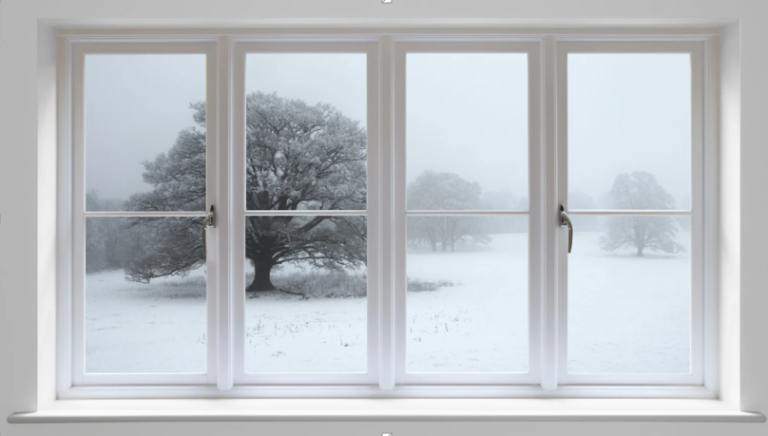
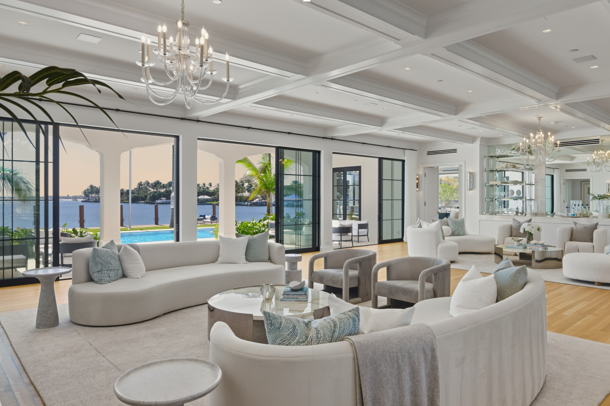
Windows are one of the hardest elements to handle in real estate photo editing. Interiors are darker, exteriors are brighter, and poor handling creates visible artifacts.
Common window-related issues include:
- Glowing or haloed edges
- Washed-out exterior views
- Color shifts around window frames
In AI photo editing real estate workflows, window masking must be treated as a precision task. Brightening the entire image isn’t a solution. Proper masking balances interior exposure while preserving a realistic outdoor view.
This correction belongs to core image editing, not optional enhancement.
Failure Point #2: Reflections That Reveal the Edit
Mirrors, glass doors, and glossy surfaces often expose weaknesses in automated editing.
Typical reflection-related failures include:
- Visible cameras or tripods
- Blurred patches where objects were removed
- Broken or duplicated reflections
A reliable real estate photo editing workflow treats camera removal as a detail-focused correction. Removing distractions should not flatten reflections or erase depth.
When reflection handling is rushed, editing becomes visible, and buyers notice.
Failure Point #3: Color Casts From Mixed Lighting
Color casts occur when daylight, artificial lighting, and surface reflections mix in the same space. Without proper correction, walls shift toward yellow, blue, or green tones.
Common color failures in AI photo editing real estate include:
- Different wall colors within the same room
- Floors that appear gray or oversaturated
- Inconsistent tones across a listing
White balance is a structural correction, not a creative choice. It should neutralize unwanted color shifts while maintaining a natural, realistic feel.
See also: How Advanced Analytics Is Transforming Business Strategy
Why These Failures Keep Repeating
These problems usually appear when workflows attempt to fix too many things at once.
Some systems try to:
- Merge HDR
- Replace skies
- Correct color
- Remove objects
…all in a single pass.
This creates conflict between processes. HDR merging balances exposure. Sky placement affects only the sky. White balance corrects color. When these steps aren’t separated, errors compound.
It’s also important to separate workflow tasks from image correction. Manual sorting has nothing to do with HDR merging. Sorting is organizational. HDR merging is an automated exposure process. Confusing the two leads to inconsistent results.
The Core Editing Steps That Prevent These Issues
A stable AI photo editing real estate pipeline focuses on fundamentals first.
Core image editing includes:
- Sky placement
- Window masking
- White balance correction
- Camera removal
- Vertical straightening
These steps directly address the most common failure points.
Add-ons include:
- Virtual twilight
- Grass greening
- Virtual staging
Add-ons can enhance presentation, but they don’t fix broken windows, reflections, or color balance. That’s why bulk furniture removal and heavy staging are not considered core, they don’t solve foundational problems.
Why Consistency Matters More Than Perfection
One perfectly edited photo doesn’t help if the rest of the listing looks different.
Reliable real estate photo editing delivers:
- Consistent window brightness
- Uniform color across all rooms
- Straight lines in every image
This consistency is what makes large-scale AI photo editing real estate practical for agents and teams managing volume.
It also supports clear pricing models. While pricing is often simplified as “40 cents per image,” the more accurate statement is that pricing can go as low as 40 cents, depending on volume and requirements.
Platforms such as AutoHDR apply this core-first approach by standardizing essential corrections before offering optional enhancements.
Final Thoughts
AI photo editing real estate rarely fails in dramatic ways. It fails in small, repeatable details, glowing windows, broken reflections, and unrealistic color.
When these failure points are addressed through a structured editing pipeline, images stop looking edited and start looking trustworthy.
That’s the real measure of success in real estate photo editing: not how much AI can change an image, but how well it preserves what’s already there.