Internal Linking For Topical Authority: How To Build Content Clusters That Actually Rank
Most sites don’t have a traffic problem as much as a structure problem. Great posts can still feel invisible in search when they are not strategically connected and supported. That is why the professional SEO team at Blue Noda focuses heavily on internal linking, turning scattered content into structured clusters that build topical authority and help pages rank with purpose.
What Topical Authority Means In Practice
Topical authority is the trust your site earns by covering a subject thoroughly and consistently. It is less about a single “perfect” article and more about demonstrating that you understand the entire topic. Search engines look for depth, connections, and clarity.
In real life, topical authority feels like owning a category. Your pages appear for core terms and for dozens of related questions. You get more long-tail traffic without writing random one-off posts. Your main service pages also tend to convert better because visitors arrive educated.
Why Internal Links Matter More Than You Think
Internal links are the signals that tell search engines how your content fits together. They also help pass authority from strong pages to newer or more specific pages. Without them, even good content can sit isolated.
Internal links shape which pages you consider important. They guide crawlers to the pages you want indexed and prioritized. They also guide people to the next step, thereby improving engagement and generating leads. A solid internal linking plan supports both rankings and sales.
What A Content Cluster Is
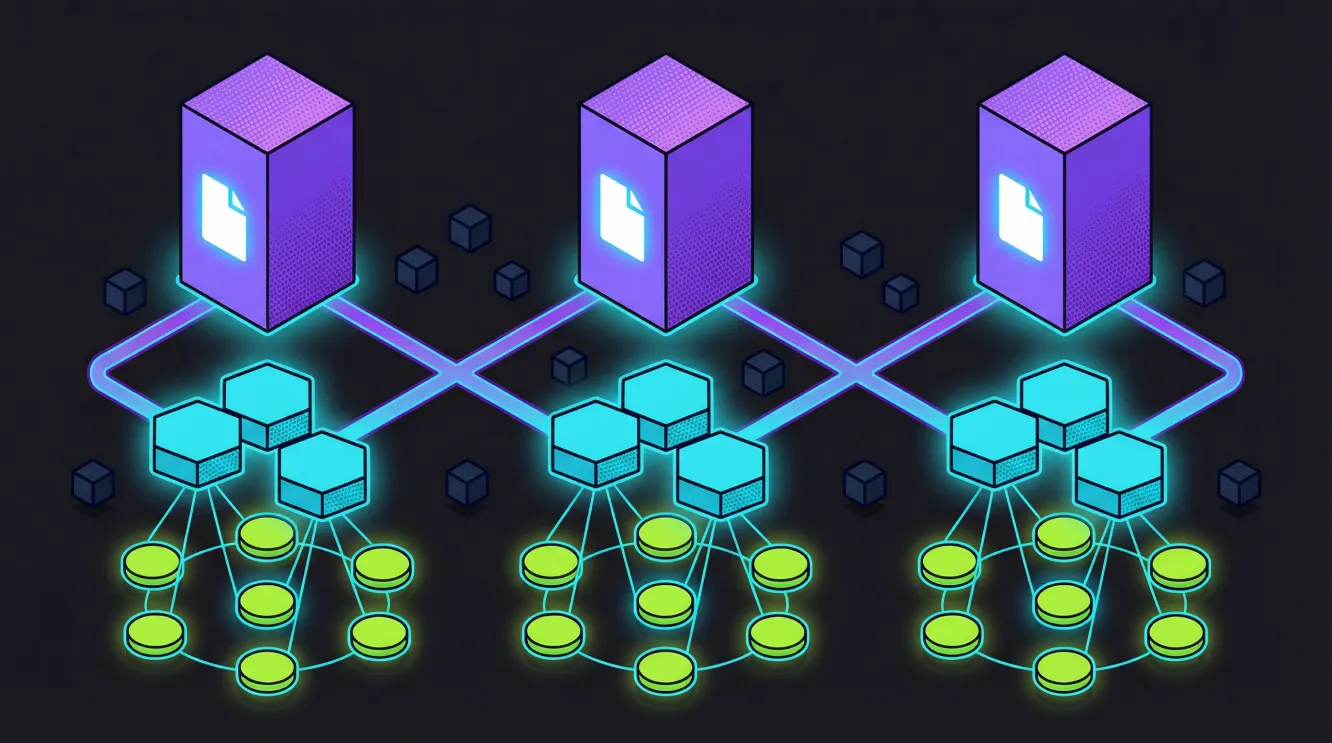
A content cluster is a group of pages built around one central topic. The “pillar” page broadly covers the main theme and links to deeper supporting pages. The supporting pages answer specific questions and link back to the pillar.
This approach creates a clear map of expertise. Instead of competing pages, you get pages that reinforce each other. It also makes content planning easier because every new article has a purpose. Over time, clusters become assets that compound in value.
Read Also: Protect the Upside: Environmental Risk Screening That Keeps Your Business Plan Intact
How To Build A Cluster Step By Step
Start by picking a topic that matches what you sell and what people search for. If the topic does not connect to revenue, it is hard to justify maintaining it. If the topic is too broad, your cluster becomes messy and unfocused.
Then decide what “success” looks like for the cluster. It might be booked calls, demo requests, quote forms, or store visits. That goal influences which pages you prioritize and where you point internal links. It also keeps the cluster from turning into a library nobody uses.
Choose A Pillar Topic And Define The Goal
Your pillar page should be the best overview of the topic on your site. It should define terms, explain options, and set expectations. It should also have a clear conversion path, even if it is a soft one. Think of it as the hub that makes the whole cluster make sense.
Choose one primary keyword for that pillar and stick to it. You can use variations in headings, but the intent should stay consistent. The pillar is not a dumping ground for every related term. It is a structured guide that earns links and trust.
Map Supporting Articles To Search Intent
Supporting pages should target narrower questions with a clear intent. Some will be informational, like “how it works,” while others will be commercial, like “best tools” or “cost.” Mixing intents on one page is where rankings often stall.
Write down 8 to 15 supporting page ideas before you publish anything. This prevents you from building a pillar with nowhere to send readers. It also helps you avoid overlap, because each supporting page has a job. If you need help with the mapping, an SEO company in Ohio can often spot gaps quickly.
Publish And Connect With A Clear Link Plan
Linking should not be an afterthought; it should not be tacked on at the end. Add contextual links inside the first half of each supporting article and near the end. Use those links to point back to the pillar and to one or two related supporting pages.
The pillar should link out to every supporting page in a clean, scannable way. Use short descriptions so readers know what to expect. Keep the cluster navigation consistent to make it feel intentional. When the structure is obvious to readers, it is usually obvious to search engines too.
Conclusion
Turning your website into a convoluted list of blog articles into a site that guides the reader intelligently is where internal linking truly shines. Working with the professional SEO team at Blue Noda to create real goals that help map your site’s structure. With that help, your team can build pillar pages, craft supporting posts in a sensible way, and keep future content focused as your blog continues to grow.