The Value of Thermal Imaging in Locating Hidden Moisture during Mold Remediation
Moisture is often the hidden force behind mold growth and locating it accurately is one of the most important steps in preventing widespread contamination. Many homeowners only realize there is a problem after noticing odors or discoloration, yet the underlying moisture may be concealed within walls or flooring. Working with a mold remediation company in Atlanta helps ensure advanced tools are used early in the process. Thermal imaging is one of the most effective methods for identifying moisture where it cannot be seen, which strengthens the entire remediation approach.
Because mold often develops in enclosed or shaded areas, traditional visual inspections may overlook developing issues. Moisture can travel unpredictably, moving behind insulation, ceilings, and substructures. This makes specialized detection necessary for pinpointing the true scope of the problem. When thermal imaging is used at the start of remediation, it allows professionals to locate areas of concern quickly and precisely.
How Thermal Imaging Supports an Effective Remediation Strategy
Thermal imaging detects temperature variations along surfaces and helps identify where moisture may be hiding. Cooler areas revealed through this technology often indicate water intrusion, helping professionals act before the contamination spreads further. This type of detection is extremely valuable because it reduces unnecessary removal of materials. Instead of relying on assumptions, remediation teams can base their decisions on accurate imaging that shows where moisture is truly present. Once moisture mapping is complete, targeted containment can begin, reducing the risk of spores moving to other areas.
Thermal imaging is also helpful later in the process. After drying and mold removal efforts are performed, technicians can use imaging again to ensure all moisture has been addressed. This prevents mold from returning and provides confidence in the long-term success of the remediation.
Why Containment and Proper Tools Matter in Mold Remediation
Containment is one of the cornerstones of a controlled remediation project. Without proper isolation, spores may travel into unaffected rooms, leading to additional cleanup and structural concerns. Thermal imaging guides the placement of containment barriers by confirming exactly which areas have moisture that could allow mold to thrive.
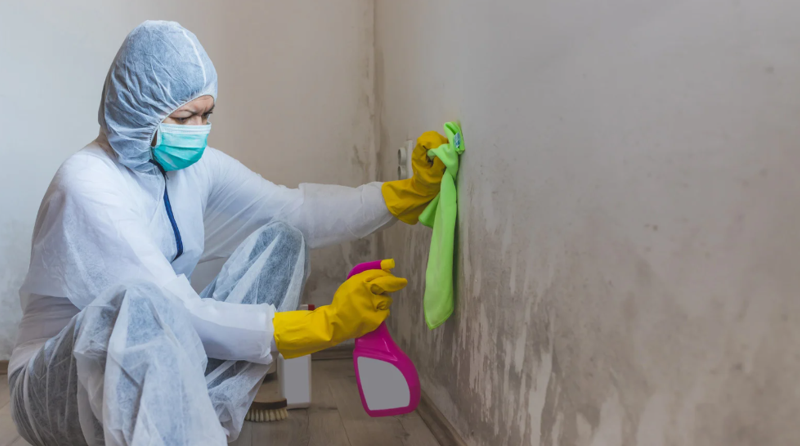
During remediation, understanding what can kill mold becomes important because different surfaces and contamination levels require specific treatments. Thermal imaging complements these techniques by ensuring that the full affected area is identified.
Technicians can then focus on removing contaminated materials, treating exposed surfaces, and thoroughly drying the environment. The accuracy gained through imaging helps ensure no sections are overlooked, which is essential in maintaining a clean and safe indoor environment.
See also: The Connection Between Soil and The Stability Of a Home’s Foundation
The Benefits of Identifying Moisture Before It Spreads
Hidden moisture is one of the primary causes of structural deterioration. When left untreated, it can weaken framing, damage flooring, and even affect indoor air quality. Thermal imaging helps detect moisture early enough to avoid these issues and allows remediation to begin before the situation worsens.
This technology also helps homeowners gain clarity about how far moisture has reached. In many homes, early detection prevents costly reconstruction by addressing the problem before materials become compromised. It also provides valuable insight into potential water sources so preventive steps can be taken in the future.
Conclusion
Thermal imaging plays a central role in identifying hidden moisture that fuels mold growth. By revealing areas that may otherwise go unnoticed, it supports safer containment, accurate cleanup, and long-lasting protection for the property. When used as part of a professional remediation process, it strengthens every stage of the work and provides peace of mind that moisture has been thoroughly addressed, reducing the likelihood of future contamination.