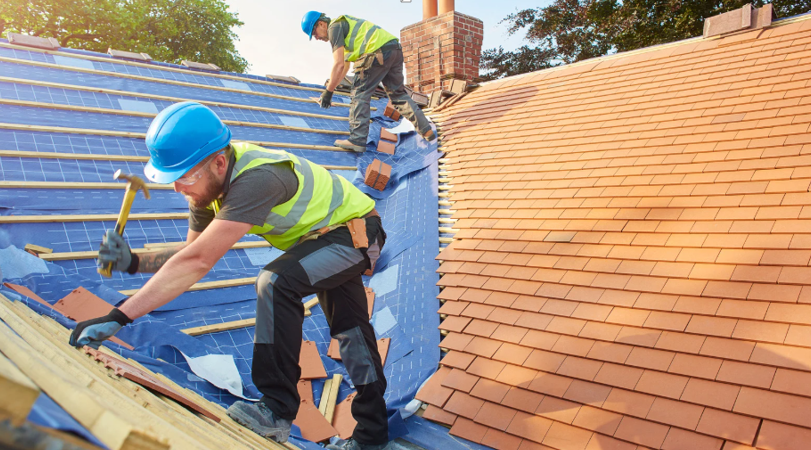
How a Roofing Contractor Evaluates Whether a Roof Repair or Replacement Is Needed
When your roof starts showing signs of wear, deciding between a repair and a full replacement isn’t always clear-cut. The right decision depends on multiple factors such as age, material type, weather exposure, and the extent of structural damage. A thorough evaluation by a professional ensures that small issues aren’t mistaken for larger problems, or worse, ignored until they become costly failures. A professional roofing contractor in Alpharetta follows a meticulous inspection process to identify which solution ensures lasting protection and financial efficiency.
Comprehensive Roof Inspection
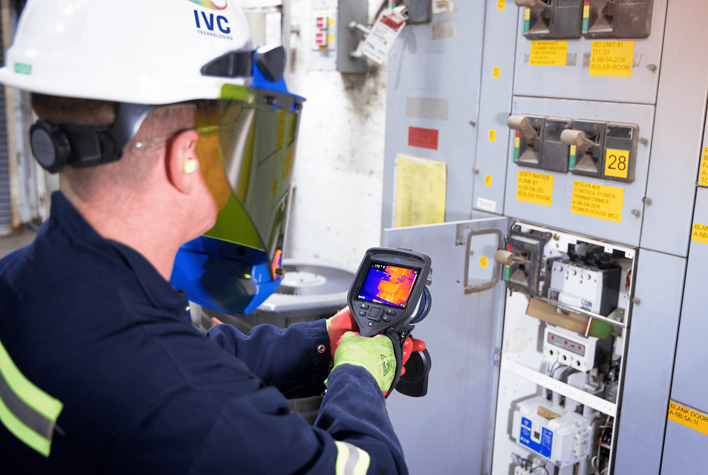
A thorough inspection is the first step in determining the roof’s condition. Contractors assess both visible and hidden damage, including cracked flashing, missing shingles, leaks, or sagging sections. They also inspect the attic and underlayment to identify moisture buildup, ventilation issues, and insulation damage, factors that often influence whether repair or replacement is the right call.
This initial evaluation gives homeowners an accurate understanding of their roof’s health and helps prevent superficial fixes that only mask underlying issues.
Determining the Scope of Damage
Once the inspection is complete, contractors evaluate how extensive the damage is. Isolated problems like a few missing shingles or small leaks can typically be repaired, but widespread deterioration or structural weakening often points toward replacement. The roof’s age is another deciding factor; if it’s nearing the end of its lifespan, replacement usually makes better financial sense than repeated minor repairs. A santa’s roof safety check can help identify potential risks before they escalate.
At this point, homeowners can also learn to choose the right roofing contractor by observing how clearly findings are explained, how options are presented, and whether recommendations are supported by practical reasoning rather than pressure. Skilled professionals focus on long-term protection instead of quick fixes.
Evaluating Material Performance and Professional Standards
A contractor also examines the quality and performance of existing materials. Asphalt shingles, metal, or tile roofs each age differently, and climate conditions significantly affect their lifespan. This ensures the final recommendation, whether repair or replacement, is based on durability, efficiency, and long-term value.
See also: Why Parke Sweatshirts Are Trending in 2025: Fashion Analysis
Cost Analysis and Long-Term Impact
After assessing the roof’s physical state, contractors compare projected maintenance costs against replacement expenses. If ongoing repairs are likely to add up quickly, a full roof replacement may prove more cost-effective over time. In addition, upgrading to modern materials can enhance energy efficiency, reduce utility costs, and increase property value, factors that contribute to a higher overall return on investment.
Professional evaluations also consider warranty coverage and compliance with local building codes, ensuring the homeowner’s financial and structural security.
Conclusion
A professional roofing evaluation goes beyond identifying visible damage; it’s a strategic process that protects your home’s longevity and value. By thoroughly analyzing material condition, repair feasibility, and cost implications, contractors help homeowners make decisions rooted in logic, not guesswork.
Trusting a qualified professional ensures the right balance between restoration and replacement, delivering a roofing solution that prioritizes structural integrity, financial practicality, and long-term performance. Moreover, a well-executed roof assessment not only addresses immediate concerns but also prevents future complications. Experienced contractors understand how minor issues today can evolve into major expenses tomorrow, and their evaluations are designed to safeguard against that.